

Expertise: digital learning for adults and European projects

We design scenario-based digital learning for adults and young adults, and we bring it into European cooperation. This page shows our five areas of expertise and the design method that connects them.

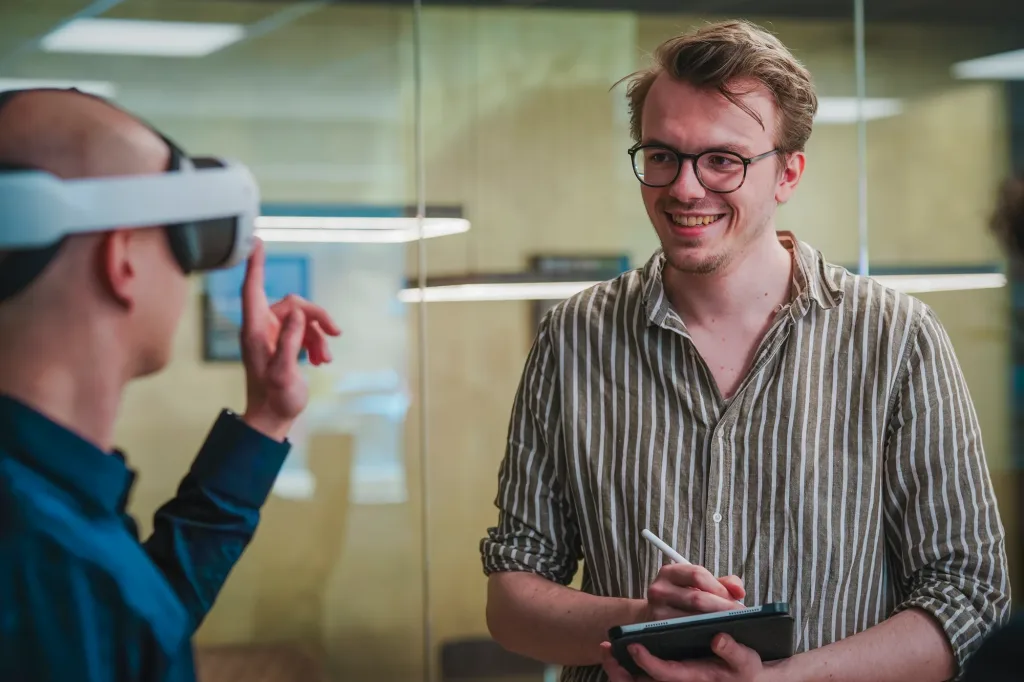
A man with a tablet and stylus smiles at a colleague who is wearing a VR headset and pointing upwards

Areas of expertise

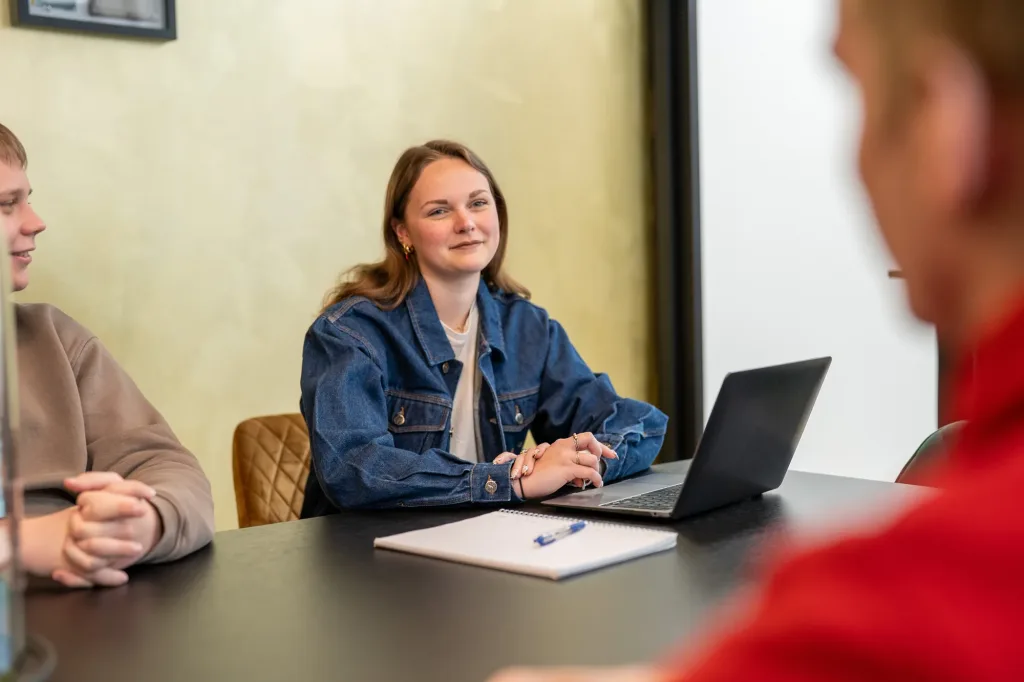
A woman with a laptop and a notebook listens with a smile to the others at a meeting table

Learning for adult learners and for the people who teach and coach them.

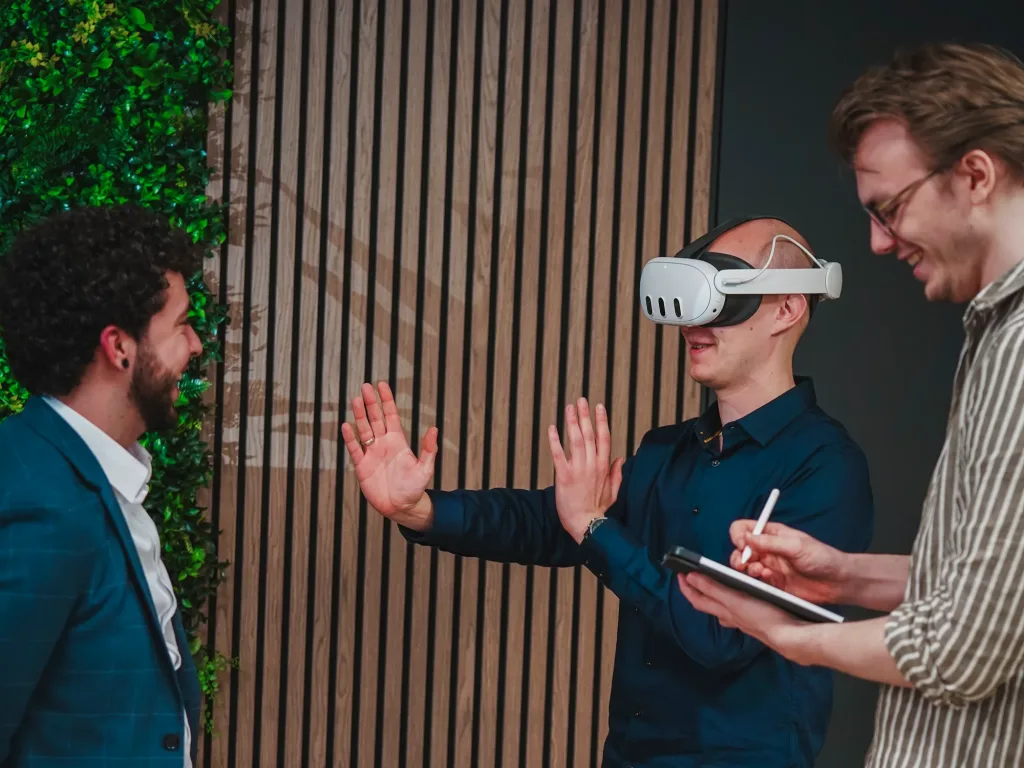
A man in a VR headset holds up both hands while one colleague watches and another takes notes on a tablet

Serious games, VR and AR simulations in which learners decide, see the consequence and reflect.

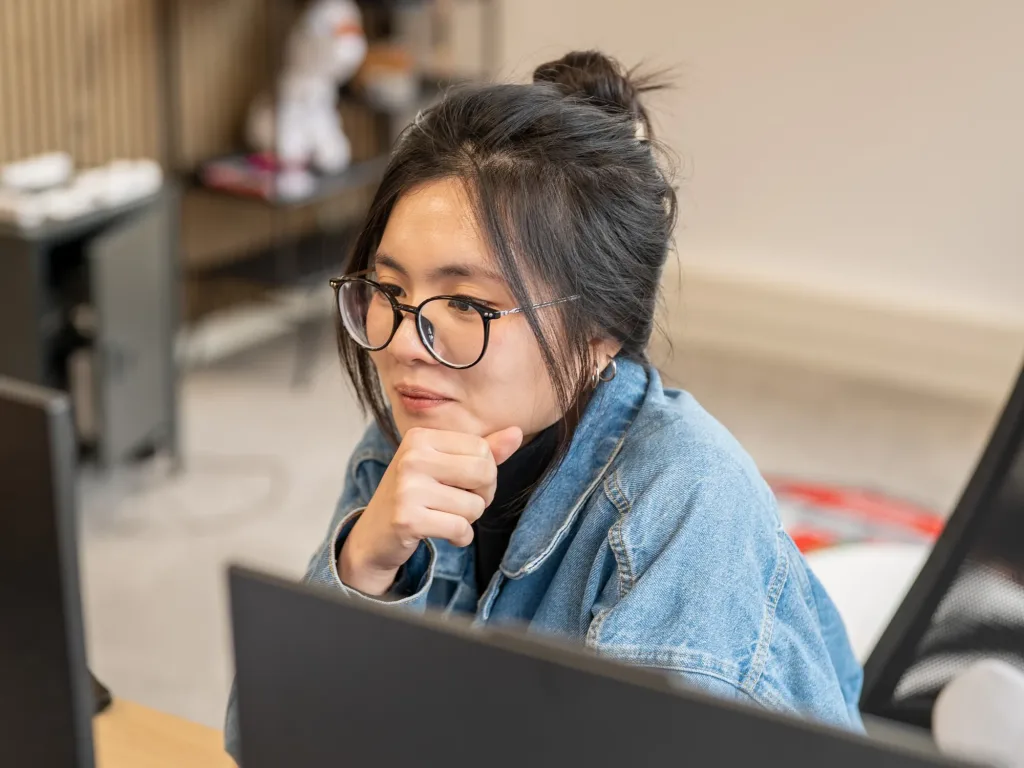
A woman with glasses rests her chin on her hand and looks thoughtfully at a screen

Practise judgement with AI, and use AI in learning tools only where it helps learning.

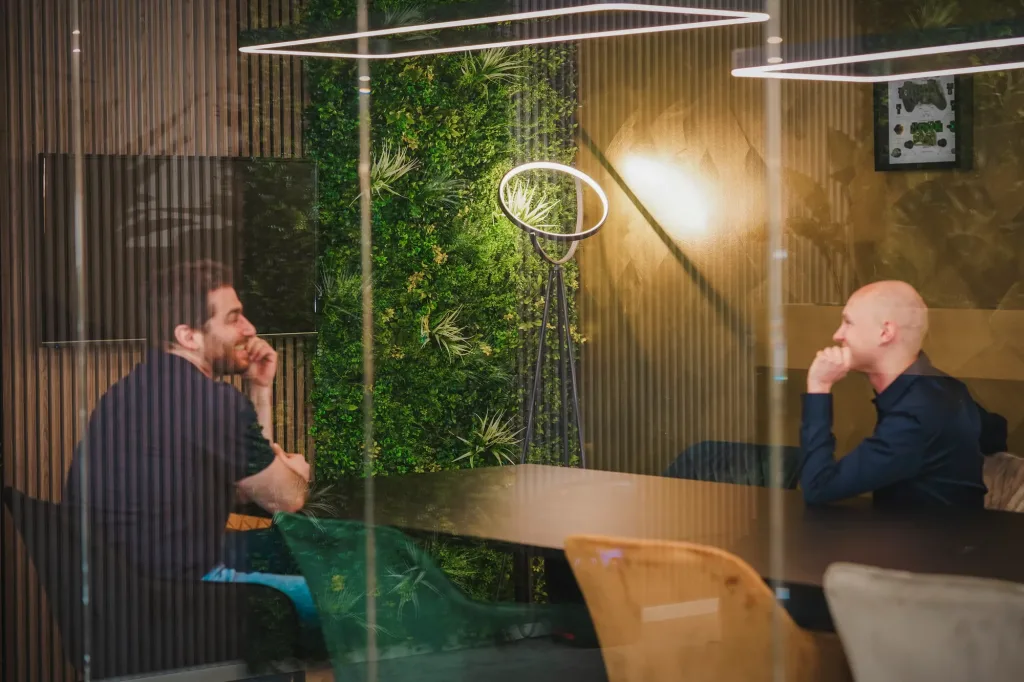
Seen through a glass wall, two men talk at a long table in a meeting room with a wall of plants and a ring-shaped lamp

Work packages we can lead for digital results, and coordination we are ready to take on.

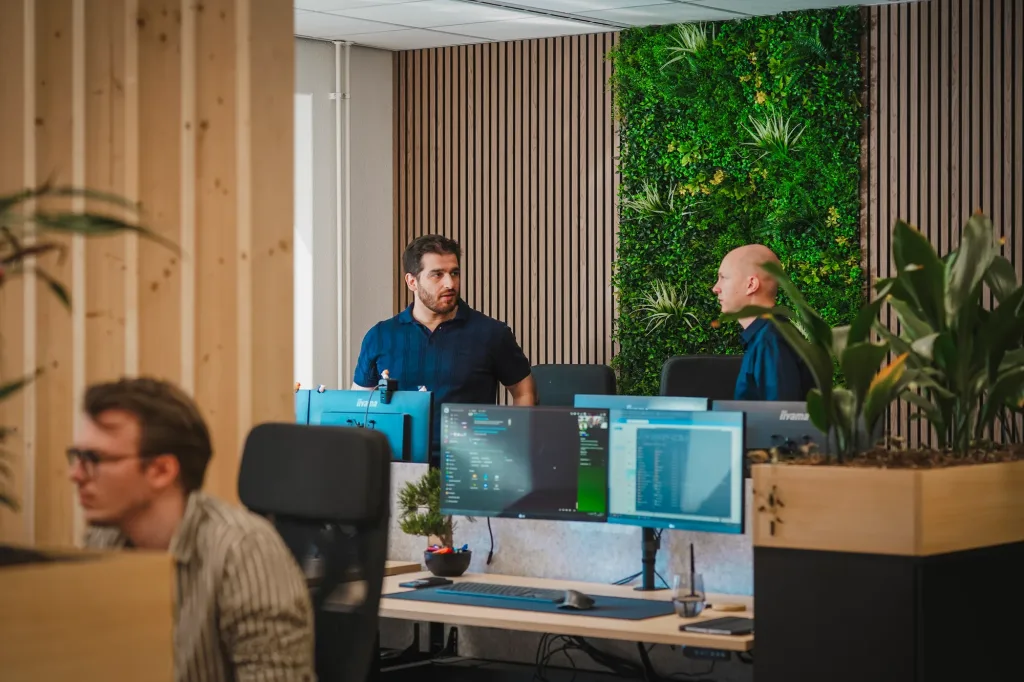
Three developers in the studio: two talk across desks with code on the screens and one works in the foreground, with a wall of plants behind them

Web platforms and portals, mobile and tablet apps (including AR), VR and XR, and serious games for consortia: accessible, open where possible, hosted and maintained after delivery.

Our method. Situation, decision, consequence, reflection, and a plain account of how our work maps to EU competence frameworks such as DigComp 3.0, LifeComp and GreenComp.

Method first, technology second

We start with the people who learn and what they need to be able to do. Then we choose the format and the technology. Then we look at how the work fits a European project and its partners.

A headset or an app is a means, not the goal.

Close-up of two hands gesturing in explanation above an open laptop

How our expertise lines up with Erasmus+ priorities

The Erasmus+ Programme Guide 2026 sets four horizontal priorities for the whole programme. This is where our work meets them.

Erasmus+ priorityWhere it shows in our workArea
Inclusion and diversityLow-text, multilingual and accessible formats for adults with different starting pointsAdult education and skills; Technology partner
Digital transformationDigital pedagogy, accessible digital content and the purposeful use of emerging digital technologies, including AIScenario-based learning; AI literacy and applied AI
Environment and fight against climate changeNature and recycling themes in VR and ARScenario-based learning
Participation in democratic life, common values and civic engagementHeritage and civic themes made accessible, such as a VR tour of a medieval city gate for people who cannot climb its stairs, and a 360° VR experience about the rule of lawTechnology partner

Examples of each are among our immersive learning case studies; see also our EU projects.

Preparing a proposal? See what we bring to your Erasmus+ consortium.

Bring us into your consortium

Tell us about your call and the role you have in mind, and we will tell you where we can add most.

Partner with us Contact us