
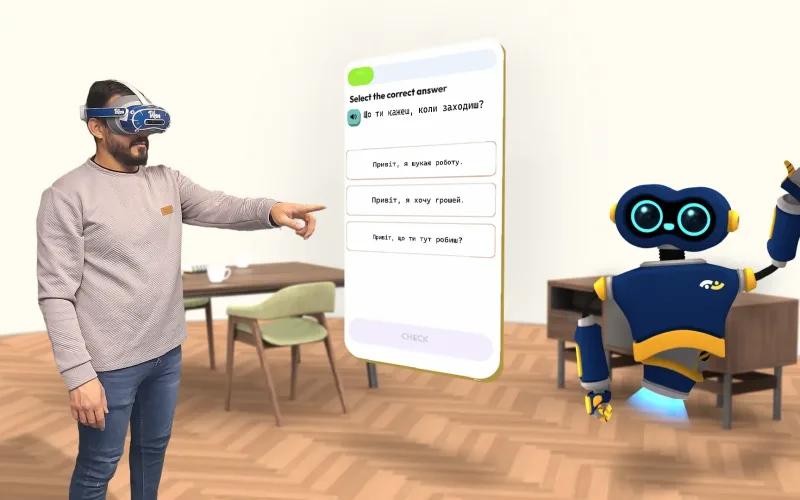
INTOS: preparing newcomers for work in the Netherlands, in their own language
INTOS
View the showcaseScenario-based VR training
Adults come to learning with their own experience and very different starting points. We design scenario-based digital learning that lets them practise real situations safely, and tools that help their educators follow progress. It is our contribution to adult education, skills development and vocational education and training (VET) in Europe.
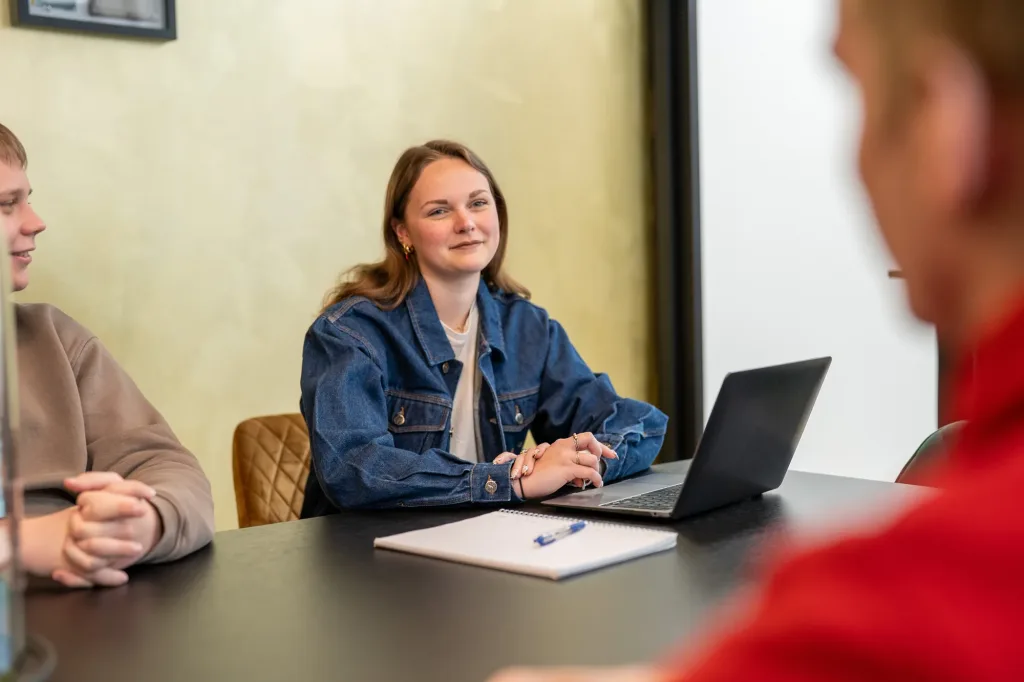
We design for adult and young-adult learners, for example:
We also design for the people who teach them: coaches, trainers and adult educators. They need to see how learners use a training and where they need help. In one of our trainings, coaches see use and progress at an aggregated level.
The need for adult learning is large. Across the OECD countries in the Survey of Adult Skills 2023, about one in four adults has low literacy. According to Eurostat, about 60% of people aged 16 to 74 in the EU had at least basic digital skills in 2025, against an EU target of 80% by 2030.
Formats that rely less on reading and more on doing and listening can help to reach these adults, and to support upskilling and reskilling at work.
Showcase INTOS: preparing newcomers for work
Practice. Learners act in a realistic situation, make choices and see what follows. Then they reflect and try again. Our page on scenario-based learning explains the method.
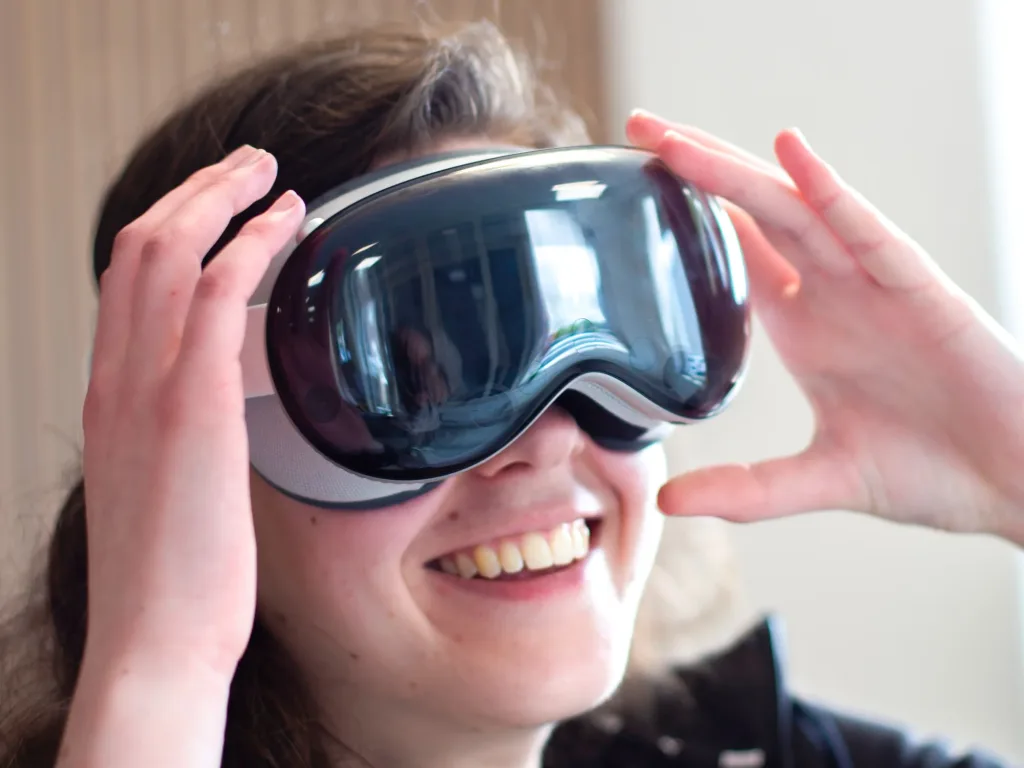
Accessibility. We keep text to a minimum and make the interaction simple. In the INTOS training, learners start in their own language, hear spoken explanation with subtitles and work without controllers. In a VR job preview for Bevolkingsonderzoek Nederland, they use only their hands, with no walking or teleporting. For the outputs of Sensing Otherwise, the EU project described below, the target is WCAG 2.1 AA, with multilingual and multimodal access.
Co-design. Where we can, we design with the people a training is for, or with people who know their situation. A VR tour of a medieval city gate was developed in close cooperation with Toegankelijk Zwolle, for visitors who cannot climb its stairs. A VR experience of delirium was made with medical experts and former patients.
The rules we follow are set out in our data-protection and accessibility policies.
The Erasmus+ Programme Guide 2026 lists priorities for adult education. Two of them describe our work most closely:
You can read the priorities in full in the Erasmus+ Programme Guide 2026 (adult-education priorities).
For cooperation partnerships in adult education (KA220-ADU), the award criteria also look at accessible and inclusive design, the use of digital tools and, where there are learning activities, arrangements to recognise and validate what participants learn.
Beyond Erasmus+, Crow Group has been a member of the Pact for Skills, the European Commission's initiative on upskilling and reskilling, since 2025.
In a European project. The Erasmus+ project Sensing Otherwise, in which we are a partner, runs from October 2026 to September 2028 and is coordinated by IDRISI Cultura e Sviluppo ETS in Italy. It is a cooperation partnership in adult education (KA220-ADU).
The project plans three immersive exhibitions, in Palermo, Athens and Zwolle, that look at 30 European artworks through the social model of disability. The exhibitions will be co-designed with adults with disabilities.
The project's target groups are 100 adult educators, 100 adults with disabilities (including 40 refugees) and 50 cultural operators.
Our role, in the wording agreed in the application: lead partner for the technological outputs (VR, AR and digital platform).
At our studio. Our studio VR-Innovations is listed by SBB as a recognised learning company (Leerbedrijf ID 100458548). It is recognised to host learners for five MBO level-4 qualifications, including software development and two qualifications in immersive technology.
Approximately five learners every six months work with us in our apprenticeship programme.
INTOS
View the showcaseScenario-based VR training
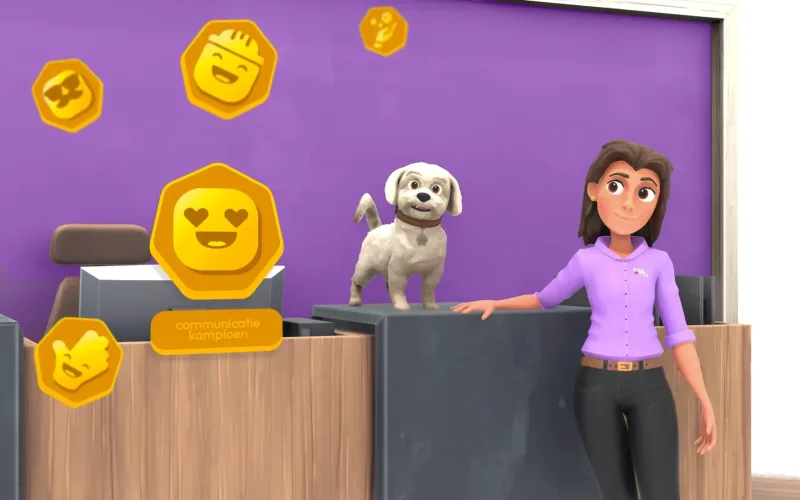
Speak And Spoke
View the showcaseScenario-based VR training
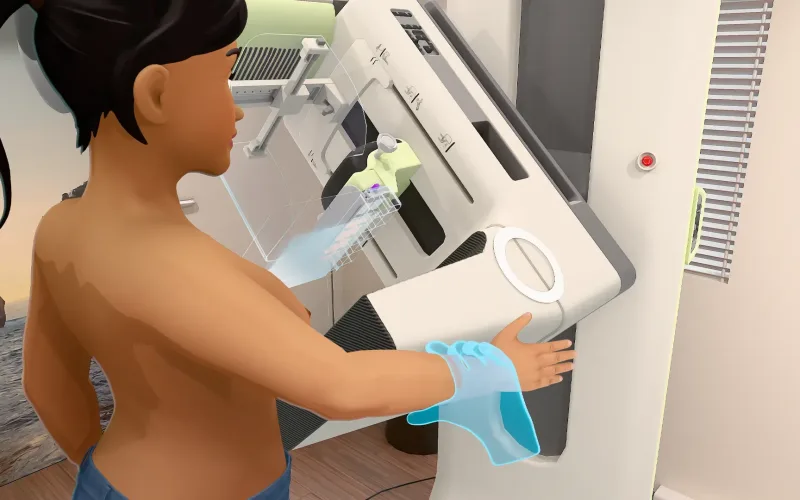
Bevolkingsonderzoek Nederland
View the showcaseVR experience
Working in Dutch education? Our studio covers VR in Dutch vocational and higher education (in Dutch) and our education sector work (in Dutch).
Scenario-based practice for adults maps mainly to LifeComp, the EU framework for personal, social and learning-to-learn competence: communication, empathy, collaboration and flexibility. Job-readiness scenarios also map to self-awareness and self-efficacy in EntreComp.
DigComp 3.0 applies only when a scenario is about digital skills, including the use of AI; see AI literacy and applied AI in learning. Wearing a headset alone does not develop digital competence.
More on how our work maps to EU competence frameworks.
Insight DigComp 3.0 in Erasmus+ adult-education projects
Competences describe what each design is built to practise. They are not measured results or certificates.
Planning a KA220-ADU project or another adult-education project? Tell us about your learners, your partners and the result you need.