Delirium is more than hallucinations
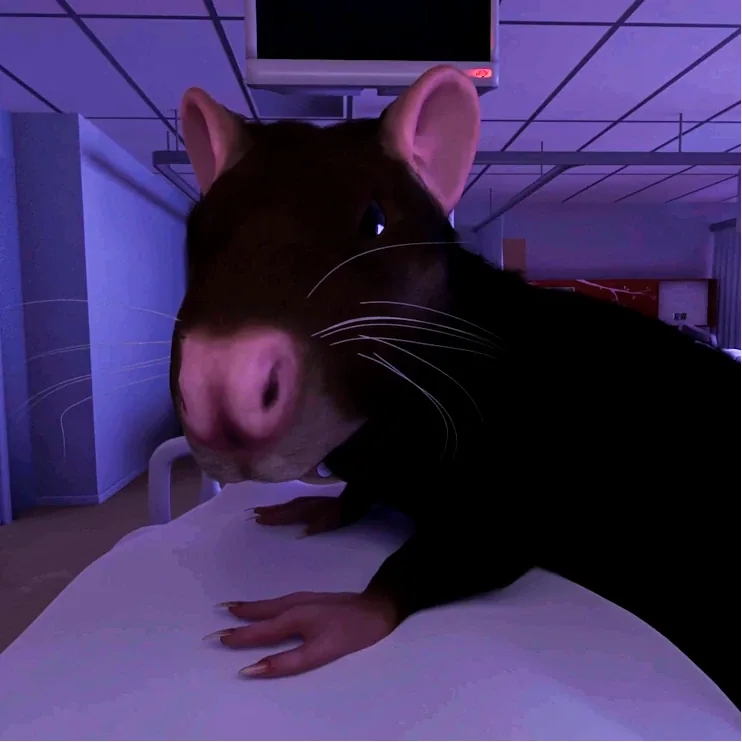
Delirium is often misjudged. It is more than seeing spiders or rats: for the patient, the whole environment can change.
Care professionals often lacked this insight, so the impact on the patient was not always fully understood.

What learners should take away
The experience is aimed at empathy, awareness and better patient care. It is designed to help learners:
- understand how disorienting delirium can be from the patient's point of view;
- become more aware of what a patient with delirium may be going through;
- reflect on how this affects the way they care for and approach patients.
Doctors, students, carers and families
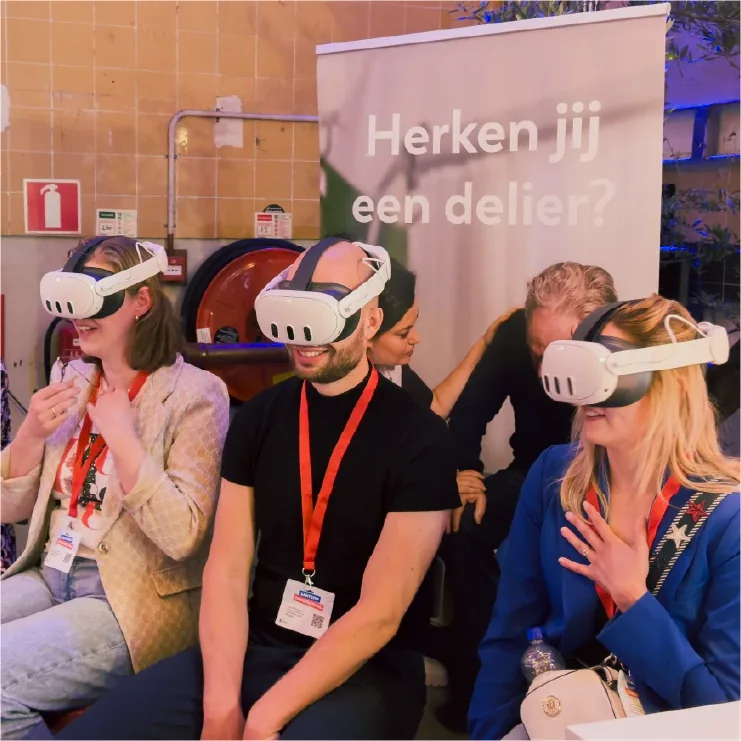
The experience is for everyone around a patient with delirium: doctors, nurses and students, as well as informal carers and family.
It is used in healthcare education, in internal training and at congresses and fairs.
Through the patient's eyes, step by step
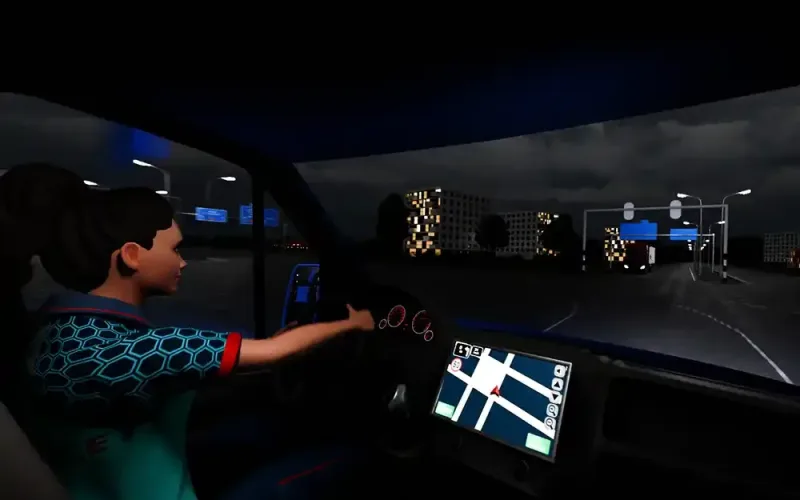
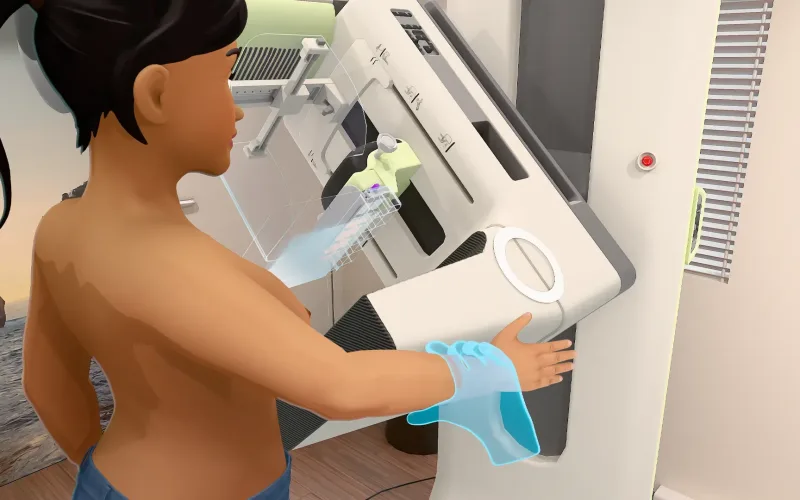
The user sees the world through the eyes of a patient with delirium. A voice-over guides them and explains what is happening, as if they really are that patient.
Meanwhile the surroundings keep changing: walls distort, there is a surreal moment on a boat, and a rat starts to talk.
The experience was made in co-creation with medical experts, patients and former patients, combining creative storytelling with realistic 3D environments.
Five to ten minutes on a standalone headset
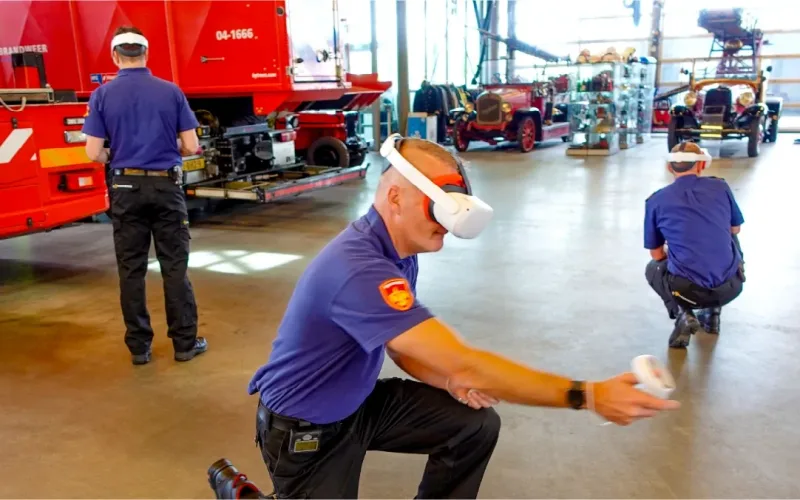
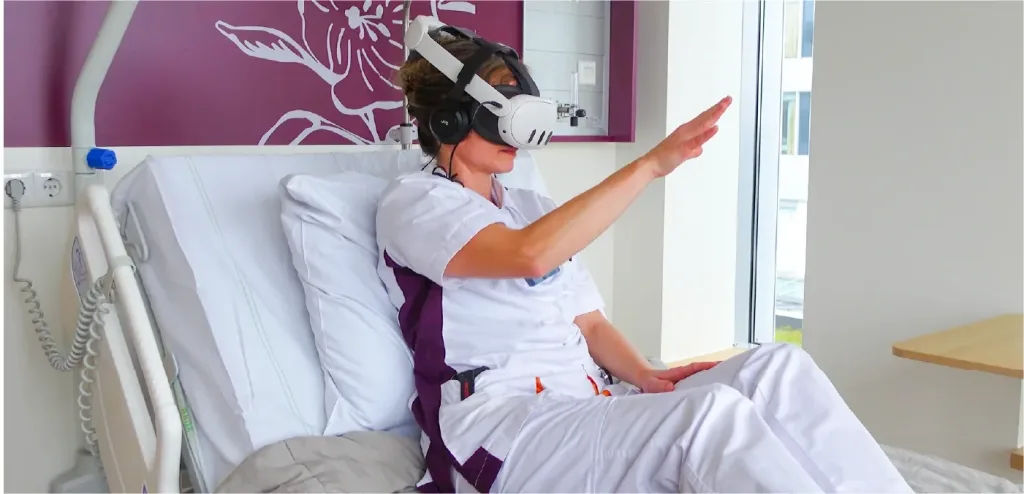
A session takes five to ten minutes and runs standalone on Meta Quest 3 and Pico headsets.
The experience is modular: its 3D assets can be reused, and it can be extended into a fuller training tool with interactive modules and assessment moments, from medical education to continuing education.
Planning something similar for your own learners? You can talk to us about a project like this.